Couverture Chocolate vs Compound Chocolate: What’s the Difference?
 FLŪR JOURNAL
If you’ve ever worked with chocolate, you’ve probably heard the terms couverture chocolate and compound chocolate. They can sometimes be used for similar applications, but they behave very differently.
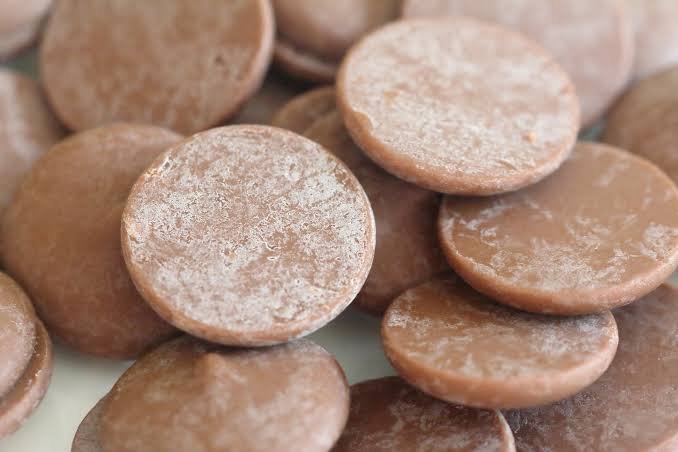
Couverture chocolate is made with cocoa-derived ingredients, including cocoa mass and cocoa butter. Compound chocolate, on the other hand, uses a vegetable fat in place of cocoa butter as its principal fat.
And this is where tempering comes in.
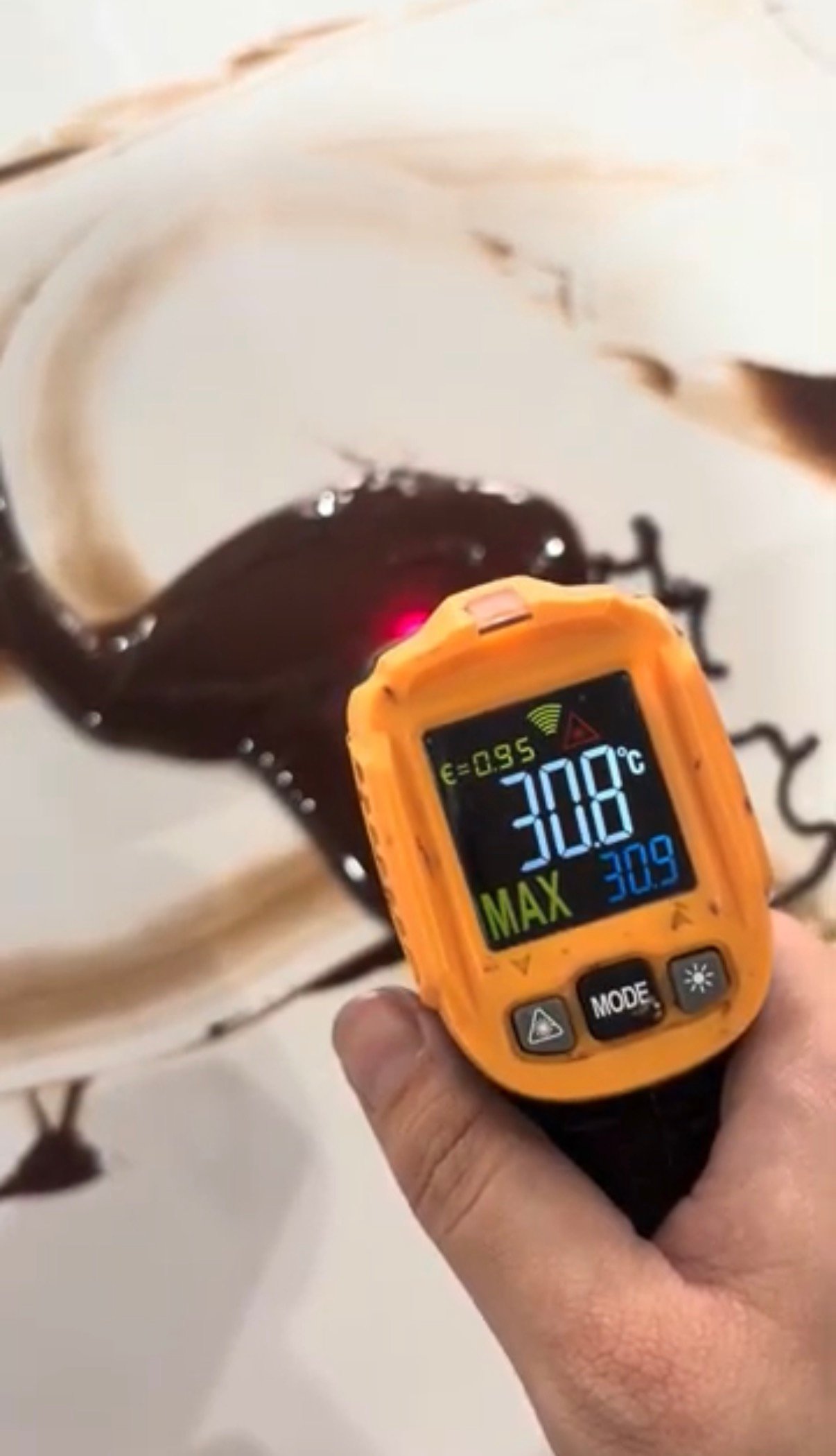
When we temper couverture chocolate, we’re essentially tempering the cocoa butter inside it.
Cocoa butter can form six different types of crystals, and not all of them are desirable in the finished chocolate. Through tempering, we control the temperature of the chocolate so that we encourage the formation of the crystal structure we want—Form V.
Why is that important?
Because this crystal structure is responsible for many of the things we love about properly tempered chocolate: the shine, the clean snap when you break it, the stability and, most importantly for me, that beautiful melt in your mouth.
Form V cocoa-butter crystals melt at a temperature close to our body temperature. So when you put properly tempered couverture chocolate in your mouth, it starts melting beautifully and releasing its flavour.
Compound chocolate doesn’t need this same tempering process because it uses a different type of fat.
Now, I don’t want to say that one is good and the other is bad. They have different uses.
There are people who use compound chocolate for garnishing, coatings and other applications where ease of use is important. There are also people who use it commercially because it makes sense for the particular product they are making.
At Flùr, we work with couverture chocolate because of the kind of chocolate experience we want to create.
And for me, that’s where you really notice the difference—not just in what the chocolate is made from, but in how it tastes, how it feels and how it melts.
Once you understand what’s happening inside the chocolate, you also start to understand why tempering matters—and why the choice of chocolate can make such a difference to the final experience.